


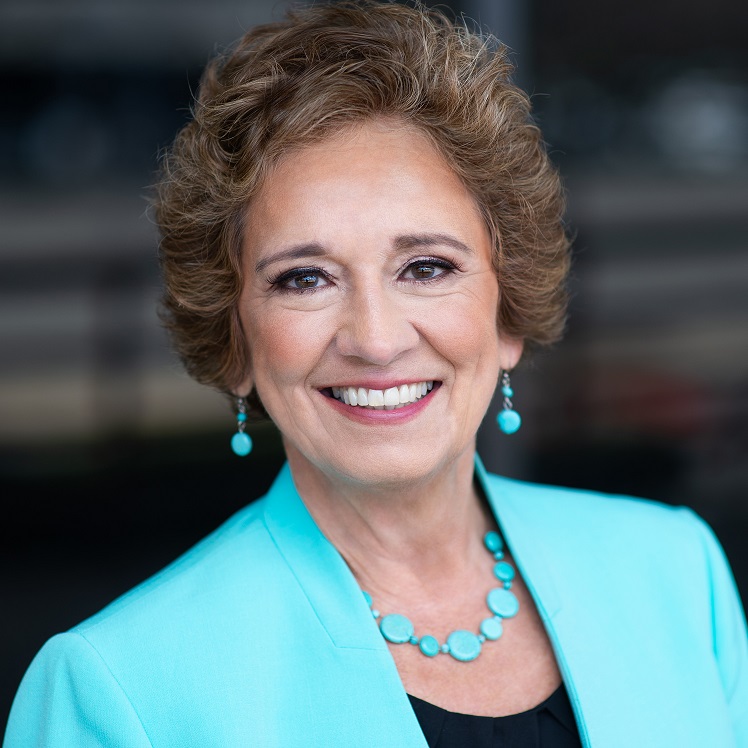
Money, Grief & the Courage to Begin Again
A Conversation with Debra L. Morrison
There are some conversations that feel practical.
And then there are conversations that feel necessary.
My discussion with Debra Morrison, a financial and leadership coach, Certified Financial Planner™, Certified Grief Coach, and founder of Women Navigating Finances and We Can Do It Women was the second kind - necessary.
Debra brings 42 years of boots-on-the-ground experience helping women, particularly those nearing or in retirement, step into financial clarity, often after profound life transitions like divorce or widowhood. She is also the bestselling author of My Husband Died, Now What?, a book that blends grief recovery with smart financial decision-making.
And what struck me most?
She made money feel like a partner in our lives; not a threat, not a mystery, but a tool we can actually understand and use.
The Truth: Women Weren’t Socialized Around Money
Debra didn’t mince words.
For decades, many women were subtly (or directly) told:
“Don’t worry about it.” “Someone else will handle it.”
The problem?
We’re living longer. We’re often inheriting responsibility later in life. And when that moment comes, confidence isn’t automatic.
“We don’t know what we don’t know,” she said.
And that unknown creates fear.
But Debra reframes it beautifully: fear isn’t proof you’re incapable; it’s proof you haven’t been given the recipe yet.
Step One: Know Where You Are
If you called a restaurant years ago and said, “I’m lost,” what’s the first thing they’d ask?
Where are you?
Before setting goals, investing, or dreaming bigger, women need to take inventory:
Assets
Liabilities
Income
Obligations
Debra says something powerful happens when women actually do this exercise:
They often discover they’re in better shape than they feared.
Clarity replaces chaos.
And courage begins with clarity.
Financial Independence = Living Untethered
Debra described her most financially confident clients with a word that stayed with me:
Untethered.
Not extravagant.
Not reckless.
Not obsessed with money.
Untethered.
That means waking up and making decisions based on desire not fear.
It means:
Traveling without panic about the credit card bill
Helping a child or grandchild without destabilizing your future
Saying yes to experiences instead of defaulting to “I can’t afford that”
Sleeping at night without financial anxiety humming in the background
Money doesn’t guarantee happiness.
But it removes constraints.
And when constraints are removed, something powerful happens,
You regain choice.
Choice over where you live.
Choice over how you spend your time.
Choice over whether you work because you want to, not because you must.
As Debra put it, money is a tool.
It’s not something to worship.
It’s not something to fear.
It’s something to understand, so it can quietly work for you in the background while you live your life in the foreground.
And that, to me, is what true financial independence looks like.
A Widow, A Beach House & A Mindset Shift
One of Debra’s stories stopped me in my tracks.
A 47-year-old woman went to bed a wife and woke up a widow.
Her broker advised her to:
Sell the beach house
Trim her lifestyle
Remarry quickly
Instead, through education and coaching, she learned something critical:
Historically, stocks have returned roughly double that of bonds over the long term.
Once she understood volatility wasn’t danger - just short-term noise - everything changed.
She kept the beach house.
She travels the world.
She did not remarry for financial survival.
She became financially educated and therefore empowered.
Why Grief & Money Are Deeply Connected
After supporting families impacted by 9/11, Debra became a Certified Grief Coach. She saw firsthand how loss and financial confusion collide.
Her book, My Husband Died, Now What?, is half grief recovery and half financial guardrails.
It includes:
Emotional recovery tools
Financial “tripwires” to avoid
A reflections journal to process trauma
Even a chapter titled “Stupid Ass Things People Say” (because yes… they do)
Her advice?
For the first six months after a loss:
Organize. Listen. Breathe.
Then make decisions.
That sequencing matters.
The Most Powerful Habit: Pay Yourself First
Debra simplifies wealth-building into something actionable:
Set up automatic, systematic investing.
Not what’s left at the end of the month.
Not when it “feels safe.”
Every paycheck.
She uses a plane analogy I loved:
When oxygen masks drop, the instructions are clear.
Put yours on first.
Women often financially suffocate themselves by funding everyone else first.
Compounding works quietly. Consistently. Powerfully.
Stop Watching the Price. Start Counting Units.
This was a mindset shift I’ll never forget.
Debra says focusing on daily account balances is like having a realtor knock on your door every day telling you what your home is worth — when you’re not selling.
It’s noise.
Instead, focus on:
How many units you own
How consistently you’re buying
Long-term strategy
That shift alone reduces emotional investing mistakes.
Real Financial Safety Isn’t About Picking Stocks
True financial safety, according to Debra, starts with risk management:
Term life insurance
Umbrella liability coverage
Mortgage protection
Tax minimization
Diversification
It’s about building the full bouquet — insurance, estate planning, cash flow, investments — working together.
As someone in real estate, I deeply appreciated her point:
Life insurance conversations need to happen more often in home buying.
Because when tragedy strikes and there’s no protection, the situation goes from difficult to devastating.
We Can Do It Women
Debra’s movement, We Can Do It Women, is a community for women in their 50s, 60s, 70s and beyond who refuse to believe they’re “done.”
It’s about:
Dusting off dreams
Shedding shame
Building financial literacy
Supporting one another
Her mission is simple and bold:
Help women change their money “set point”
From small bills…
To thinking bigger.
My Biggest Takeaway
Debra said something that stayed with me:
“Don’t emphasize the wrong syllable.”
In other words — stop obsessing over the noise and focus on the fundamentals.
We obsess over stock picks.
We avoid uncomfortable conversations.
We delay starting.
But the real work is foundational:
Know where you are
Protect against risk
Automate investing
Get educated
Ask for help
Financial freedom isn’t bravado.
It’s preparation.
And courage.
Final Thought
If you know a woman navigating divorce, widowhood, retirement, or simply a new chapter — this conversation matters.
And if you’re reading this thinking, “I should probably get my arms around my finances…”
That’s your cue.
Start with inventory.
Start with education.
Start with one automatic transfer.
Because as Debra so confidently says:
We can do it.
And yes — we absolutely can.